

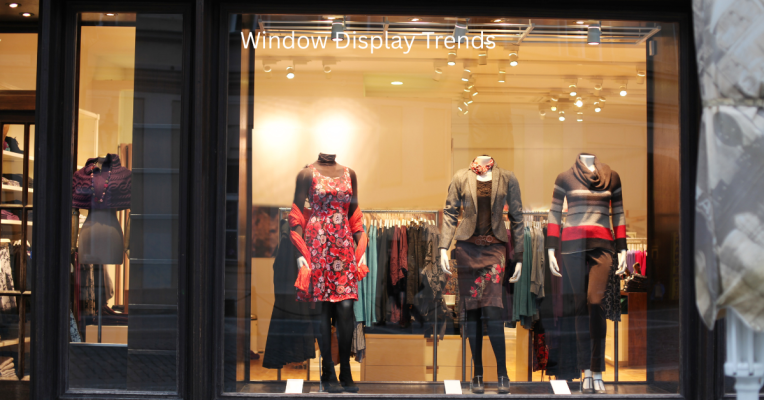
The Evolution of Window Displays in the Retail Landscape
Retail has undergone a remarkable transformation over the past decade, evolving from simple storefront setups into immersive storytelling experiences that begin right at the window. In 2025, this trend is reaching new heights, with window displays acting not merely as aesthetic setups, but as strategic marketing tools. As consumers become increasingly visual and experience-oriented, retailers are investing more in eye-catching window concepts that reflect brand personality, inspire customer engagement, and drive footfall. Today’s window displays are no longer static—they are alive with movement, emotion, and interactivity, merging technology with creativity to redefine the art of visual merchandising.
The impact of a well-designed window display goes beyond just drawing eyes; it plays a key role in shaping consumer perceptions, setting seasonal themes, and even becoming viral content on social media. In a competitive retail world where first impressions are everything, staying ahead of window display trends has become essential for brands looking to captivate their target audience. Let’s delve into the most talked-about and innovative window display trends that will define the visual retail space in 2025.
Sustainability as the Centrepiece
One of the most dominant themes in 2025’s window display trends is sustainability. With climate consciousness at an all-time high, consumers expect brands to demonstrate their commitment to the environment through every facet of their operations—including their displays. Retailers are embracing recyclable materials, upcycled décor, and eco-friendly lighting solutions in their window installations. Sustainable displays are not just about using “green” props—they convey authenticity by telling a story about environmental responsibility.
Window displays featuring biodegradable materials such as paper mâché, jute, or repurposed wood are making waves. Some brands even go further by sourcing locally made, artisanal pieces to minimise their carbon footprint and support local communities. In terms of design, the trend leans towards organic colour palettes and natural textures that reflect harmony with nature. Shoppers today appreciate displays that are beautiful yet responsible—those that look good and feel good. Sustainability is no longer just a value—it’s a visual identity.
Immersive Digital Integration
Another key trend that’s defining the landscape in 2025 is the integration of digital technology. Screens, projections, augmented reality, and even holography are all becoming mainstream in window displays. Retailers are using these elements not as gimmicks but as storytelling tools that offer depth and interactivity. Digital screens can show behind-the-scenes footage of how a product is made, rotating 3D visuals, or real-time social media feeds—bridging the gap between online and offline experiences.
Interactive windows that respond to touch or movement are also gaining popularity. Imagine a passerby waving their hand and activating a virtual mannequin that changes outfits, or a screen that lets users “try on” products using AR. These displays captivate not just visually but experientially, making the storefront feel dynamic and alive. What sets these high-tech displays apart is their ability to engage younger, tech-savvy audiences while collecting valuable insights into consumer preferences and behaviours.
Storytelling Through Seasonal Themes
Window displays have always embraced seasonality, but in 2025, the focus is on deeper storytelling rather than just thematic decoration. Retailers are creating narrative-driven window displays that unfold like chapters of a book. Whether it’s a whimsical spring meadow complete with animatronic birds, or a moody winter forest scene with a soundscape of crackling fire and falling snow, each window becomes a mini experience.
This type of storytelling taps into the emotional core of visual merchandising. It invites customers not just to look, but to feel. Brands are increasingly hiring set designers, visual artists, and scenographers to bring cinematic drama to their storefronts. These seasonal narratives often align with broader brand campaigns, allowing customers to connect with the brand’s ethos in a more memorable way. In 2025, storytelling isn’t just an option—it’s the soul of an effective window display.
Bold Colour Blocking and Maximalism
2025 is seeing a resurgence of boldness in colour palettes, patterns, and forms. The minimalist look that dominated the 2010s has given way to maximalist window displays that celebrate abundance, vibrancy, and eclecticism. Colour blocking—using large, solid swathes of contrasting or complementary colours—is proving particularly popular. These displays catch the eye from afar and energise high streets with their powerful visual impact.
Retailers are blending unexpected colours and materials, using oversized props, playful typography, and layered installations to create a feast for the senses. This trend is about creating joyful chaos, where visual stimulation becomes a tool to evoke curiosity and happiness. Brands are no longer playing it safe—they’re embracing extravagance to stand out in a sea of sameness. These displays are especially shareable on social media, making them powerful drivers of online engagement.
Biophilic Design Elements
Biophilic design—the incorporation of natural elements into built environments—is another defining window display trend for 2025. Rooted in the idea that humans have an innate connection to nature, biophilic displays include living plants, floral installations, water features, and natural lighting. These setups not only beautify storefronts but also offer a calming contrast to the urban environment.
Retailers are using moss walls, hanging gardens, terrariums, and even live bonsai trees as focal points in their windows. Some go further by scenting the area with essential oils or natural fragrances to engage additional senses. Biophilic design not only draws people in but encourages them to linger, take photos, and share the experience. In a world that’s increasingly digital, these earthy, tranquil displays offer a sensory return to nature—making them incredibly appealing.
Smart Lighting Design
Lighting has always played a crucial role in window displays, but in 2025, it’s being redefined by innovation. Smart lighting systems now enable window displays to shift colour temperature, adjust brightness automatically, and even respond to external stimuli such as time of day or weather conditions. LED technology allows for ultra-precise lighting control, creating stunning effects like dappled light through leaves or glowing spotlights that isolate key products.
Retailers are also experimenting with kinetic lighting—systems that move or change in real-time. A window might simulate the passage of a day, or respond to passing foot traffic with subtle pulsing effects. This not only draws attention but creates an aura of sophistication. Lighting can even be synchronised with music or sound design to create an all-encompassing experience. As energy-efficient lighting continues to evolve, it allows for both sustainability and creativity in equal measure.
Local Culture and Artisanal Touches
In 2025, many brands are shifting focus from global homogeneity to local authenticity. Window displays are becoming more reflective of the communities they serve by incorporating local culture, artisanship, and even historical narratives. In multicultural markets like India, this means celebrating regional festivals, crafts, and stories through highly localised design elements.
Artisanal props hand-crafted by local artists, hand-painted backdrops, and indigenous materials are making window displays more culturally relevant and emotionally resonant. This trend not only helps businesses forge deeper bonds with their customer base but also promotes local talent and preserves traditional techniques. A retailer in Mumbai, for instance, might draw from local textile heritage or traditional festivals like Ganesh Chaturthi to create an authentic window experience. In a world craving meaning, such displays feel grounded, personal, and impactful.
Motion and Kinetic Installations
Another exciting trend taking centre stage in 2025 is kinetic design. Motion, when used effectively, captures attention in a way static images cannot. Whether it’s rotating platforms, mechanical arms, flowing fabric installations, or conveyor belts moving products across the display, motion adds a sense of wonder and dynamism.
Kinetic displays are especially useful in high-footfall urban areas where competition for attention is fierce. They encourage repeat viewings because they’re constantly changing. Retailers are now collaborating with engineers and set designers to develop moving parts that are both elegant and functional. Even small touches like swaying mobiles or light-reactive materials create captivating movement. When combined with sound and lighting, kinetic windows become truly mesmerising showcases.
Also Check:-Purpose of Visual Merchandising: Enhancing Retail Experience
Augmented Reality and Smart Glass
As technology becomes more accessible, Augmented Reality (AR) is no longer a novelty—it’s a retail necessity. In 2025, more retailers are integrating AR into their window displays via QR codes, mobile apps, or smart glass. Smart glass technology allows a window to transition from transparent to opaque or project animations directly onto the surface. It can even become a touchscreen.
This type of display engages customers both physically and digitally. By scanning the window with their phone, shoppers can enter virtual spaces, play games, or unlock limited-time offers. Some displays use facial recognition or movement detection to change visuals depending on who’s standing in front of them. These highly personalised, interactive experiences transform windows into entry points for deeper digital engagement. In the age of hybrid retail, AR is a powerful way to extend the customer journey.
The Rise of Micro-Story Windows
As attention spans shorten, retailers are adopting the micro-story trend in window design. Instead of sprawling narratives, these windows tell a sharp, concise visual story in just one glance. Think of it like a visual tweet—punchy, powerful, and memorable. These micro-stories often focus on a single idea or moment, using minimal props, strong imagery, and clever messaging.
The goal is instant impact. Whether it’s a dramatic freeze-frame or a visual metaphor, these displays hook viewers immediately. They’re perfect for commuter-heavy areas or smaller boutiques where window space is limited. Micro-story windows prove that sometimes, less is more—and that storytelling doesn’t have to be lengthy to be meaningful.
Vintage Revival and Nostalgia Marketing
Vintage-themed displays are making a stylish return in 2025, tapping into the powerful emotion of nostalgia. Whether inspired by the roaring 20s, swinging 60s, or the bold graphics of the 80s, these retro aesthetics are being reimagined with modern materials and techniques. Nostalgia marketing is particularly potent among millennial and Gen Z consumers, who crave the charm of the past combined with present-day relevance.
Retro fonts, aged film textures, neon lights, and vintage props such as old cameras or record players are being incorporated into window design. These displays evoke sentiment and familiarity, encouraging customers to pause and reminisce. When done right, vintage revival creates a deep emotional connection that can convert passersby into loyal customers.
Also Read:-What Does a Visual Merchandiser Do? Key Roles & Responsibilities
The Future Is Fluid and Flexible
Looking ahead, it’s clear that flexibility is going to be a cornerstone of window display design. As brands adapt to changing trends, events, and consumer expectations, modular window setups will become more common. These allow retailers to refresh displays quickly and cost-effectively without complete overhauls. Adjustable backdrops, movable lighting tracks, and interchangeable props make seasonal transitions smoother.
Moreover, the role of window displays is expanding beyond sales. They are now brand statements, photo backdrops, cultural artefacts, and even educational tools. The future of window design lies in being adaptable—ready to respond to social shifts, technological advancements, and customer feedback in real time.
About Good Beginnings Photography Studio
At the heart of Wadala, Mumbai, Good Beginnings Photography Studio stands as your premier destination for professional photography with a creative flair. Just like the most compelling window displays, Good Beginnings believes in the power of visual storytelling. Whether you’re looking to capture cherished moments, build a personal brand, or create professional portfolio shots, our studio combines artistic direction with cutting-edge technology to bring your vision to life. Known for our attention to detail, friendly environment, and commitment to excellence, we help you craft memories that are as vivid and timeless as the trends we capture. Step into a space where every photo is a masterpiece—only at Good Beginnings Photography Studio.

Shubhangi Singh has been the creative marketing consultant for several luxury brands, with more than 18 years of experience in curating meaningful campaigns for brands like Reliance Brands, Walking Tree, Malabar, Simone, D’décor, Jio Wonderland, Zoya Jewels, Per Te Jewels, Rustomjee, Farah Ali Khan, Puma, Benetton, Vogue Wedding Show, and Foodhall X Vogue Sensorium.
Comments are closed.