

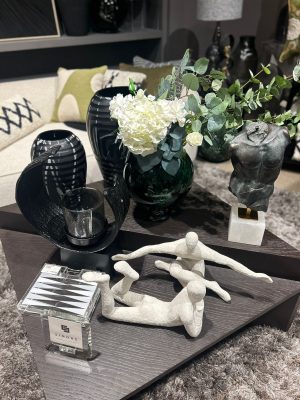
Hotel interior styling in Mumbai has undergone a major transformation in recent years. From the heavily designed, ornate, and traditional hotel interiors, it has now shifted its focus to light, refined, functional, and experience-driven interiors. But every hotel owner is stuck between choosing the right design aesthetic and sticking to it while building their hospitality space. However, before the interior styling, many hotels across India and Mumbai rely on professional design studios for an expert design that aligns with their vision, functionality, and budget. Good Beginnings Design Studio, one of the well-reputed interior design studios in Mumbai, works on all types of hotel interiors, including traditional and modern, right from hotel lobby design to guest room interiors, to restaurant and café interiors, to lighting design, custom furniture, material sourcing and selection, décor styling, interior branding, and turnkey interior execution.
Here is a comprehensive guide to help hoteliers in Mumbai understand the critical differences between traditional and modern hotel interior design in 2024 based on some of the most important parameters.
Also Read:- Top 10 Premium 2 BHK Interior Design Ideas for Modern Mumbai Apartments
Traditional vs Modern Hotel Interior Styling: A Parameter-Wise Breakdown
Design Philosophy: Traditional interiors are more about classic design sensibilities that follow the design principles of richness and detailing.
The important elements are:
- Ornate detailing and craftsmanship
- Symmetry and formal compositions
- Layered décor and accessories
Modern interiors are all about simplicity, clean design, and function-driven spaces.
The important elements are:
- Clean lines and minimal design sensibilities
- Open and flexible layouts
- Usability and comfort-driven design
Mumbai has a bigger market share for modern hotel interiors compared to traditional ones.
Colour Palette
Traditional interiors use deeper and darker shades to create an appearance of luxury and richness.
The common colours are:
- Maroon, gold, deep brown, and cream
- Bold or heavy contrast colour combinations
Modern interiors are all about lighter and neutral tones.
The common colours are:
- Beige, grey, ivory, and soft pastels
- Subtle and softer accent colours
The modern colour palette makes the hotel spaces appear larger and calmer. This is a great design advantage in many compact Mumbai properties.
Materials and Finishes
Material selection is one of the most visible differentiators between the traditional and modern hotel interiors.
Traditional styling includes:
- Polished wood and heavy carvings
- Marble with ornate patterns
- Velvet and silk fabrics
- Glossy finishes
Modern styling uses:
- Matte finishes and natural textures
- Engineered wood and subtle veneers
- Linen, cotton, and minimal fabrics
- Stone and concrete textures
Good Beginnings Design Studio Modern interior materials are often easier to maintain and practical for high-traffic hotel spaces.
Furniture Design
Traditional furniture is more on the heavy and ornate side.
Features include:
- Heavy and bulky proportions
- Decorative woodwork and carvings
- Heavy upholstery and velvet sofas
Modern furniture is sleek and simple.
Features include:
- Simple and minimal forms
- Clean lines
- Lightweight and space-efficient furniture
Modern furniture design is more suitable in the Mumbai hotel spaces for both space optimization and guest comfort.
Lighting Approach
Lighting has a major impact on the overall aesthetics of any interior space.
Traditional hotel lighting:
- Chandeliers and decorative lighting fixtures
- Warm and dim lighting with limited layering
Modern hotel lighting:
- Layered lighting (ambient, task, and accent lighting)
- LED lighting and smart systems
- Minimal but effective lighting fixtures
Smart and layered modern lighting designs add to the overall aesthetics as well as functional experience in hospitality interiors.

Space Planning and Layout
Traditional space planning follows more defined zones and formal layouts.
Characteristics:
- Zone-wise defined spaces with clear separation
- Less flexibility
Modern space planning focuses on open and fluid layouts.
Characteristics:
- Fluid spaces and multi-functional areas
- Flexibility in movement and circulation
Owing to space constraints, modern layouts work much better in Mumbai hotels.
Décor and Styling
Traditional décor is more detailed and layered.
Examples:
- Heavy curtains and drapes
- Decorative mouldings and cornices
- Multiple accessories, cushions, and artwork
Modern décor follows a minimalistic approach.
Examples:
- Bold and statement artwork
- Minimal décor items
- Clean and uncluttered styling
In modern décor, individual décor elements have more visual impact and weight.
Guest Experience
Good Beginnings Design Studio Traditional interiors give a sense of grandeur and a hospitality experience.
Suitable for:
- Luxury or heritage hotels
- Boutique hotel spaces with classic or vintage themes
Modern interiors focus on the comfort and convenience of the guest.
Suitable for:
- Business or MICE hotels
- Urban luxury hotels
- Contemporary boutique hotels
Hotel guests these days prefer interiors that are comfortable, functional, and easy to use and navigate.
Maintenance and Durability
- Traditional interiors: Demand more maintenance and upkeep
- Materials and surfaces often require regular cleaning and care
Modern interiors:
- Easier maintenance
- Durable materials and finishes
- Cost-effective in the long run
Maintenance plays a critical role in operational efficiency for high-traffic hotel spaces in Mumbai.
Cost Consideration
- Traditional hotel interior design: High cost
- Longer execution time
- Expensive due to intricate detailing and materials
Modern hotel interior design:
- Flexible budget options
- Faster execution
- More cost-effective and scalable
Return on investment is often better in modern interiors due to lower maintenance and higher flexibility.
Branding and Market Positioning
Traditional interiors are ideal for.
- Heritage or luxury vintage branding
- Destination and iconic hotels
- Modern interiorsIdeal for
- Urban luxury or contemporary branding
- Business or lifestyle hotels
- Youthful and international audience
Aligning with current branding and marketing strategies, modern interiors have more relevance in the Mumbai market today.
Role of Turnkey Interior Design
Turnkey interior design services are equally important for both traditional and modern hotel interior design projects.
The turnkey services by a design studio typically cover:
- Design planning and concept development
- Material sourcing and selection
- Execution and project management
- Final styling and installations
Studio-like Good Beginnings Design Studio takes care of every aspect of hotel interior styling to ensure consistency and efficiency in delivering the desired design outcomes.
Also Read:- What Is the 70/30 Rule in Interior Design? A Complete Guide for Stylish Homes
Conclusion
Good Beginnings Design Studio Deciding between traditional and modern hotel interior styling in Mumbai hotels depends on various factors like brand positioning, target audience, and overall business objectives. While traditional interiors bring timelessness, elegance, and richness in design, modern interiors provide functionality, efficiency, and contemporary appeal.
In today’s market scenario, modern interiors are more in demand than traditional ones due to their adaptability to a wide range of hotel types, ease of maintenance, and better alignment with changing guest preferences. But traditional interiors still find their relevance in certain niche, luxury, and heritage hospitality properties.
The best approach is not to stick to only one design aesthetic. In many cases, a thoughtful blend of traditional elements and modern design creates a unique and memorable experience for guests.
FAQs
1. What is the difference between traditional and modern hotel interiors?
Ans: Traditional interiors focus on ornate detailing and classic design, while modern interiors emphasize simplicity, functionality, and clean design.
2. Which is a better design style for hotels in Mumbai?
Ans: Modern styling is more suitable than the traditional for Mumbai hotels because of the compact spaces, maintenance considerations, and changing guest preferences.
3. Are traditional hotel interiors more expensive than modern ones?
Ans: Yes, traditional interiors are costlier due to the involved craftsmanship, materials, and detailing.
4. Why is modern interior design popular in hotel projects?
Ans: Modern design offers better space optimization, easier maintenance, and aligns well with current lifestyles.
5. Can a hotel have a mix of traditional and modern design?
Ans: Yes, a balanced and hybrid approach can create a unique design that caters to a diverse audience.

Shubhangi Singh has been the creative marketing consultant for several luxury brands, with more than 18 years of experience in curating meaningful campaigns for brands like Reliance Brands, Walking Tree, Malabar, Simone, D’décor, Jio Wonderland, Zoya Jewels, Per Te Jewels, Rustomjee, Farah Ali Khan, Puma, Benetton, Vogue Wedding Show, and Foodhall X Vogue Sensorium.