

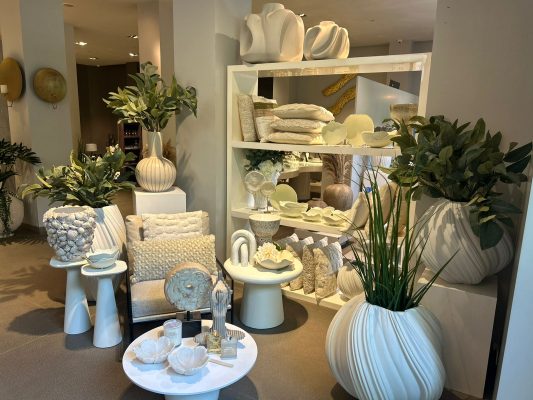
Hotel interiors in Mumbai are rapidly changing. Gone are the days of heavy design and visual excess. The new focus is on calm, experience-led, and residentially comfortable interiors that are understated, personal, functional, and luxurious. By 2026, it will not only be how a hotel looks, but also how it makes guests feel and how they experience the space that matters.
Design-focused hospitality interior design, fit-out, and styling firms like Good Beginnings Design Studio are in step with global and Mumbai-specific trends, and are committed to redefining luxury hotel interior design, lobby styling, guest room interiors, lighting design, custom furniture, materials and finish selection, décor styling, brand integration, and turnkey project execution. We help our hospitality clients deliver hotel projects and brands that are visually striking and elegant, operationally efficient, and commercially robust.
Here are the biggest luxury hotel interior design trends in Mumbai that are likely to dominate in 2026.
Also Read:- Top 5 Luxury Interior Designers in Mumbai for Elegant and Modern Homes
1. Quiet Luxury and the Shift Away From Visual Excess
Good Beginnings Design Studio Luxury itself is getting quieter. Loud colour palettes, heavy ornamentation, oversized furniture and architectural detailing, and “trying too hard” are all on the way out. In their place, 2026 is all about neutral colours, simple materials and textures, monochrome or analogous colour schemes, deconstructed minimalism, natural materials, sleek and understated detailing, and maximal comfort.
Hotels like these feel peaceful, calm, and premium rather than over-designed. It is about using design to de-clutter, not add to the noise.
2. Experience-Driven Design and Immersive Storytelling
Experience is now a leading hotel design driver. Hotels are no longer just spaces for lodging, but rather experiences.
The design focus is now:
- Thematically based interior design styles
- Specialized lobby and lounge concepts
- Innovative guest room layouts and styles
- Feature elements, artwork, installations, experiential zones, media walls
Interior design is a narrative tool that creates a distinct and memorable “guest journey” through physical and digital design elements.
3. Natural Materials and Textured Surfaces
Texture and materiality are a big part of the “calmer” hotel interior. Smooth surfaces, gloss, and sheen have been replaced by natural, textured materials in 2026.
Texture-rich materials include:
- Stone, marble, and limestone surfaces
- Natural woods and wood veneers
- Natural linen, cotton, and organic fibres
- Matte metals like brass and bronze
Natural materials and tactile finishes add warmth, richness, depth, and a sense of authenticity to hotel interiors. They also make interiors and spaces feel grounded, lived in, and more welcoming.
4. Biophilic Design and Integration of Nature
The benefits of nature in design for mental well-being are one of the biggest interior design trends for all spaces, and it is equally significant in hospitality design. Natural elements are now integrated into hotel interiors for wellbeing, experience, and brand storytelling.
Biophilic design includes:
- Indoor plants, green walls, planters
- Natural light, open floor plans, and indoor-outdoor connection
- Natural and nature-inspired textures, materials, and finishes
Bringing nature indoors and improving daylight and ventilation are part of this trend.
5. Wellness-Driven Spaces, Wellness as Design
Wellness is no longer the exclusive domain of the hotel spa. Wellness principles are being integrated into all aspects of the guest experience and interior design.
For example:
- Rooms and guest areas are calmer and more relaxing.
- Spaces are arranged with wellness zones, meditation, and yoga spaces.
- Acoustic comfort and noise control are design focuses.
- Air quality, natural ventilation, and cross ventilation are encouraged.
Hospitals are now designing to help promote health, relaxation, and mental well-being.

6. Invisible and Seamless Technology Integration
Technology is one of the most significant enablers of experience, but in 2026, it is integrated in a seamless, invisible way. From automated hotel room systems to lighting and digital systems, the design focus is on ease of use and convenience without distracting from the aesthetics.
Smart lighting, climate control, and room systems, automated curtain controls, contactless solutions, app-controlled services, and built-in technology for home entertainment and convenience are typical of modern hotels.
7. Residential Comfort in Public Spaces
Hotel interiors are getting more residential and home-like. This is not just for guest rooms and suites, but for public spaces and even lobbies. The residential-style interiors give guests the feeling of comfort and casual luxury that they enjoy at home.
Signature design elements include:
- Soft seating, warm lighting, and relaxed lounge areas in lobbies and lounges
- Cozy textures and soft furnishing in public spaces
- Warm wood and neutral tones in flooring, upholstery, and wall colours
More home-like spaces in hotels make public areas more inviting to guests.
8. Brand Identity, Customization, and Standout Design
Good Beginnings Design Studio: Generic interiors are out, and brand and hotel-specific customization is in. Hotels are increasingly using bespoke elements, signature colours and materials, and other brand and hotel-specific features to make interiors more customized and unique.
Interior design touches that create a “signature” and memorable brand identity are highly sought-after in 2026.
Custom and locally made furniture and décor items, custom artworks and feature elements, unique colour palettes, and exclusive materials and finishes are key elements of customized design.
9. Flexible Spaces for Multipurpose Use
Hotels must optimize space for different guest needs, at different times of day, and for a range of uses. Flexibility and multi-purpose spaces that can be used for meetings and socializing, leisure and relaxation, work and play are an important hotel interior design focus.
Flexible design also helps better use of space and improved space economics, while simultaneously enhancing guest convenience.
10. Sustainable Design and Eco-Friendly Materials
Environmental sustainability, energy efficiency, and locally made and procured materials are more important than ever, and part of the essence of luxury.
Interior design for hospitality is now adopting:
- Environmentally sustainable materials and finishes
- Energy-efficient lighting and appliances
- Water-saving and environment-friendly fixtures
- Locally procured materials and finishes
Sustainable design is good for the environment and business.
11. Expressive Furniture, Sculptural Elements, and Curved Forms
Good Beginnings Design Studio Curved, sculptural, and expressive furniture and feature elements are in. Over-sized sofas and poufs, oversized feature furniture, sculptural custom tables and lighting, curvaceous chairs and sofas, oversized feature furniture and artwork, furniture doubling as art pieces, and bespoke statement pieces are some of the hotel interior design features that are in 2026.
Curved forms, sculptural elements, and maximalist furniture are the design focus.
12. Warm, Layered, and Earthy Colour Palettes
Cool blues and whites are out. Natural, neutral, and layered colour palettes are the new design focus.
Popular hotel interior design colour palettes include:
- Beige, taupe, and sand
- Warm whites
- Earthy browns and greens
Deep accent colours and neutrals like navy, forest green, and charcoal grey
Natural and layered colour palettes have a calming, familiar feel. Deep, natural accent colours add character and a touch of luxury.
Also Read:- 100% Customized Home Interiors: How to Get the Perfect Design for Your Dream Home
Conclusion
Good Beginnings Design Studio Luxury hotel interior design trends in Mumbai for 2026 are about calm, comfort, and experience. These interiors are moving away from visual excess and heavy design to thoughtful, well-balanced, and restrained spaces.
Quiet luxury, experience and immersive storytelling, natural and textured materials and surfaces, wellness and biophilic design, invisible technology integration, residential comfort in public spaces, customized design with brand identity, flexible spaces and multi-functional use, sustainable and environment-friendly design, sculptural furniture and curvaceous forms, and warm, natural colour palettes are just some of the top design trends for hotels and hospitality brands.
It is not just the guest-facing spaces that matter, but everything, from design and fit-out to architecture and guest room experience.
FAQs
1. What is the biggest hotel interior design trend in 2026?
Ans: Quiet luxury and a shift away from visual excess are two of the biggest hotel interior design trends in 2026.
2. Why are natural materials and textured surfaces important for hotels?
Ans: Natural and textured materials add warmth, richness, depth, and a sense of authenticity. They also make interiors feel grounded and inviting.
3. How is technology being used in modern hotel interiors?
Ans: Technology is now built into hotel design and is seamlessly integrated through smart lighting, automation, and contactless solutions.
4. What is biophilic design in hotels?
Ans: Biophilic design is the use of natural elements like plants, natural light, and natural materials to create a healthy and calm environment.
5. Why is interior design important for hotels?
Ans: Hotel interior design impacts the guest experience, brand perception, and the bottom line of the hotel business.

Shubhangi Singh has been the creative marketing consultant for several luxury brands, with more than 18 years of experience in curating meaningful campaigns for brands like Reliance Brands, Walking Tree, Malabar, Simone, D’décor, Jio Wonderland, Zoya Jewels, Per Te Jewels, Rustomjee, Farah Ali Khan, Puma, Benetton, Vogue Wedding Show, and Foodhall X Vogue Sensorium.