

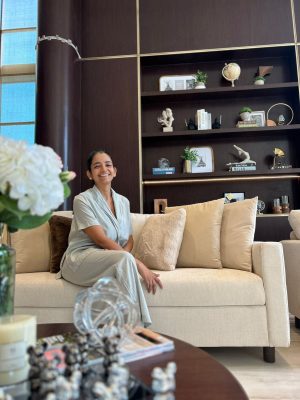
The luxury hospitality industry in Mumbai is fiercely competitive, and hotel interiors significantly impact guest experience, brand perception, and overall success. High-end hotel interior styling is the art of crafting an environment that feels upscale, comfortable, and memorable from the moment a guest walks in.
Premium hotels today aim for a balance between elegance, functionality, and experience-driven design. Professional interior design studios, such as Good Beginnings Design Studio, approach hotel styling through a combination of luxury hotel interior design, lobby design, guest room styling, lighting design, custom furniture, material selection, décor styling services, space planning, colour consultation, branding integration, and comprehensive turnkey interior execution services. Each of these components plays a crucial role in creating a cohesive and high-performing hospitality space.
Also Read:- Luxury Interior Styling in Mumbai: How to Create Elegant & Calm Living Spaces
Strong First Impression Through Lobby Design
Good Beginnings Design Studio. The hotel lobby is where guests form their first impressions. It sets the tone for the entire stay.
Key elements of high-end lobby styling include:
- Grand yet welcoming layouts: Lobbies have a statement reception desk, premium flooring and wall finishes, comfortable seating arrangements, and balanced lighting.
- Immediate sense of luxury: A well-designed lobby creates an immediate sense of luxury and trust with guests. It should feel spacious, well-organised, and aligned with the hotel’s brand identity.
Thorough Execution is Important for Lobby Design, Thoughtful Space Planning, and Guest Flow
Luxury hotel interiors are always supported by well-thought-out space planning. Hotel spaces should feel intuitive and easy to navigate.
Good space planning ensures:
- Efficient circulation: Smooth movement for guests, staff, and service equipment.
- Zoning: Clear separation of areas for different functions, such as lounges, dining, and service areas.
- Optimisation: Maximising the use of available space while avoiding overcrowding.
Smart planning is crucial in a bustling city like Mumbai, where space constraints demand optimal use of every square foot.
Use of Premium Materials and Finishes
Good Beginnings Design Studio. Material selection is one of the most critical elements of high-end hotel styling. Quality, durability, and visual appeal are key.
Luxury hotels commonly use:
- Natural stone, such as marble, granite, and limestone
- High-quality wood and veneers
- Metallic accents such as brass, gold, and copper
- Textured wall panels, wallpaper, and luxury fabrics
High-end materials not only add depth and richness to interiors but also ensure long-term durability, essential for hospitality spaces.
Layered Lighting for Ambience
Lighting is a critical factor in creating the desired mood and atmosphere in hotels. High-end interiors do not depend on one light source.
Layered lighting includes ambient lighting, accent lighting to highlight features and textures, and task lighting for specific functions.
Warm lighting tones are generally used to create a welcoming and relaxing environment. Elements like chandeliers, pendant lights, cove lighting, and wall sconces also add to the overall ambience.
Custom Furniture and Bespoke Design
Luxury hotels avoid generic, off-the-shelf furniture. Instead, they invest in custom-designed pieces that are well-proportioned to the overall theme and layout.
Custom furniture includes:
- Designer sofas and lounge seating
- Tailor-made beds and headboards
- Custom reception and check-in counters
- Built-in storage and display units
Custom furniture offers better proportions, enhanced comfort, and a unique identity for the space.
Elegant and Cohesive Colour Palette
Colour plays a vital role in setting the mood of a hotel. High-end interiors typically use a controlled and sophisticated palette.
Popular colour choices include:
- Neutral tones like beige, ivory, and grey.
- Deep accents like navy, charcoal, or emerald.
- Warm metallic highlights like gold or bronze.
A balanced colour scheme creates a calming and luxurious environment, maintaining visual harmony across spaces.

Focus on Guest Room Comfort
Guest rooms are where the real experience lies. Styling is more focused on comfort, functionality, and relaxation.
Key elements of high-end room design include:
- Quality bedding and mattresses for comfort
- Soft lighting to create a cosy feel
- Efficient storage solutions and organised layouts
- Minimal yet elegant décor
A well-designed room should feel like a private retreat, with both luxury and practicality.
Minimal Yet Impactful Décor
High-end hotel styling does not have unnecessary clutter. It focuses on a few high-impact elements.
Common décor features in luxury hotels include:
- Large artwork or feature walls
- Sculptural décor and plant pieces
- Indoor plants for freshness
- Mirrors to visually expand the space
Minimal décor helps maintain a clean, clutter-free look while adding character to the space.
Integration of Technology
Luxury hotels of the modern era seamlessly integrate technology into their interiors.
This can include:
- Automated lighting and climate control systems
- Smart room features and controls
- Integrated entertainment and media units
- Contactless check-in and information kiosks
The goal is to enhance convenience and comfort without making the technology visually obtrusive.
Branding Through Interior Design
Hotel interiors should reflect the brand identity clearly and consistently.
Branding is achieved through:
- A consistent design language across all spaces
- Use of brand-specific colours, materials, and elements
- Signature design elements and motifs
- Unique styling themes
A strong interior design identity improves brand recall and leaves a lasting impression on guests.
Sustainability and Smart Design Choices
Sustainability is increasingly an important consideration in luxury hotel design.
Key aspects include:
- Energy-efficient lighting and appliances
- Eco-friendly materials and finishes
- Water-saving fixtures and systems
- Natural ventilation and lighting
Sustainable design practices not only reduce operational costs but also appeal to modern, eco-conscious guests.
Importance of Turnkey Execution
High-end hotel projects involve coordination across various areas. Turnkey interior design services streamline the process.
Turnkey interior design services for hotels include:
- Design planning and concept development
- Material sourcing and procurement
- Project execution and on-site management
- Final styling and installation
Studios like Good Beginnings Design Studio offer end-to-end solutions, ensuring quality, consistency, and timely delivery.
Also Read:- Top Interior Stylist in Mumbai: Transform Your Home with Expert Styling
Conclusion
High-end hotel Good Beginnings Design Studio interior styling in Mumbai is all about crafting a seamless blend of luxury, comfort, and functionality. From grand lobby designs, premium materials, and layered lighting to custom furniture, thoughtful space planning, and cohesive colour schemes, each of these elements plays a part in shaping the overall guest experience.
In today’s competitive hospitality market, well-designed interiors are not just an advantage. They are an essential differentiator. They influence how guests perceive the brand, how long they stay, and whether they choose to return.
With the right design approach and professional execution, hotels can create spaces that are elegant, memorable, and built to last.
FAQs
1. What defines high-end hotel interior styling?
Ans: High-end hotel interior styling focuses on luxury materials, thoughtful layouts, layered lighting, custom furniture, and cohesive design that enhances guest experience.
2. Why is lobby design so important in hotels?
Ans: The lobby is the first point of contact for guests, and it sets the tone for the entire experience.
3. What materials are commonly used in luxury hotel interiors?
Ans: Materials like marble, wood, metal accents, premium fabrics, natural stone, and high-quality wood and veneers are commonly used for their durability and elegance.
4. How does lighting impact hotel interiors?
Ans: Lighting creates ambience, highlights design features, and significantly improves the overall comfort and mood of hotel spaces for guests.
5. What is turnkey hotel interior design?
Ans: Turnkey hotel interior design services involve comprehensive project execution, from initial planning and design to material procurement and final installation and styling.

Shubhangi Singh has been the creative marketing consultant for several luxury brands, with more than 18 years of experience in curating meaningful campaigns for brands like Reliance Brands, Walking Tree, Malabar, Simone, D’décor, Jio Wonderland, Zoya Jewels, Per Te Jewels, Rustomjee, Farah Ali Khan, Puma, Benetton, Vogue Wedding Show, and Foodhall X Vogue Sensorium.