

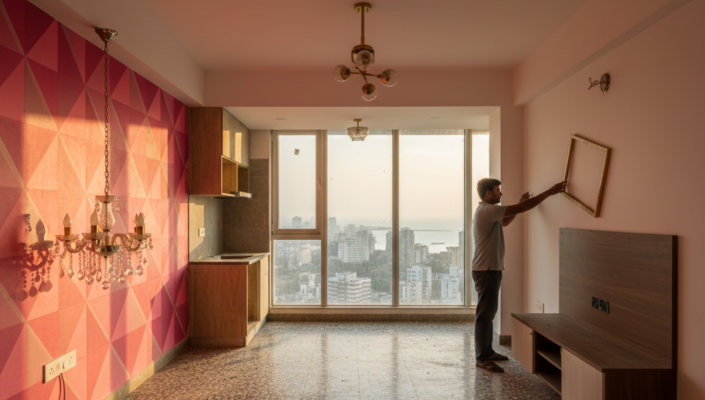
Interior design is a critical sales and branding factor in Mumbai real estate. Wrong design choices directly affect sales velocity, buyer perception, pricing ability, and long-term project value. Despite premium location, good construction, and competitive pricing, many residential and mixed-use projects across Mumbai underperform because of interior design mistakes. Builders and developers need to recognize interiors as not just decorative add-ons or a small portion of their profit and loss (P&L) account. Instead, a carefully curated interior design strategy is a project differentiator and sales enabler. Real estate-focused design-led firms like Good Beginnings Design Studio reiterate the same that fixing these interior design mistakes increases buyer conversions. Here are some of the most common interior design mistakes builders make in Mumbai.
1. Considering Interior Design After Construction Is Over
Builders make the mistake of hiring interior designers or planning interiors only after the construction is complete or almost 90% ready. In reality, the interior planning process should start at the same time as the architectural design process so that layout, services coordination, ceiling heights, lighting, furniture, and final spaces are well considered and not rushed at the last minute.
Interior designers:
Those who are brought in at the final stages, to fit out completed homes, often make do with suboptimal layouts, less-than-ideal service routing, and ceiling heights, and more rework that affects not only the design quality but also impacts the bottom line.
Also Read:- Luxury Home Design Guide for Building an Elegant and Timeless Space
2. Disregarding the Target Buyer Profile
Projects don’t sell because of interiors designed with the target audience and buyer profile in mind. A one-size-fits-all approach to interiors with generic floor plans, finishes, furniture, and fixtures is a recipe for disaster.
Luxury projects:
mid-income projects, investor-friendly projects, and end-user projects need different interior design approaches to address buyer lifestyle, affordability, aspirations, and convenience. Building interiors without considering the market positioning, the targeted demographic, and price points is a common design mistake builders commit. Successful builders and developers tailor their interior design approach to match the customer profile and psychology.
3. Overdesigning or Underdesigning Spaces
Builders often go to the opposite ends of the design spectrum by either overdesigning small spaces or underdesigning high-end projects. In Mumbai, space is at a premium, and overdesigning a small 400-450 sqft. apartments with too many finishes, too much furniture, heavy detailing, large cabinets, big sofas, and ornate designs make interiors feel cluttered and smaller.
On the other hand:
plain walls, monotonous finishes, no or low design detailing, and generic furniture choices in larger, more expensive homes reduce their luxury quotient. Getting the right balance between aesthetics, functionality, and space proportionality is important for all interiors.
4. Inefficient Layouts and Poor Space Planning
Buyers reject projects because of inefficient layouts and poor space planning. Furniture that blocks traffic, too-narrow circulation paths, dead corners and spaces, poorly planned kitchens and utilities, unusable balcony layouts, impractical bedroom sizes, and other common space-planning mistakes turn buyers away.
Good interiors:
Optimize and extract the maximum value from every square foot and inch of space. Efficient space planning is more important in smaller Mumbai homes than in other cities, where space is more expensive. Poor space planning alone is enough for most buyers to reject a project.
5. Inadequate Lighting Design
Lighting is another aspect of interior design that is often an afterthought for builders. Many builders and developers end up with poorly lit, lacklustre homes because they rely on simple ceiling lights and ignore the value of layered lighting and lighting as a design element.
Ceiling lights:
alone are not enough to showcase interiors effectively during site visits and model flat walkthroughs. Ambient, task, and accent lighting are all essential in different parts of the home to achieve the desired effect and mood. Ambient lighting for living rooms and other high-traffic areas, task lighting in work and study spaces, and accent lighting to highlight features and finishes. Inadequate or poor lighting design makes interiors look cheap, smaller, and less appealing.
6. Inappropriate or Low-Quality Materials
Material choices for floors, walls, cabinets, countertops, tiles, claddings, sanitaryware, and other elements are another area where builders err. Going overboard on very expensive materials in smaller spaces to make interiors look expensive is as much a mistake as using low-quality, cost-cutting materials that may look good on the showroom floor but wear off quickly in reality.
Use of wrong:
or low-quality materials, especially in kitchen, bathroom, and balcony areas in Mumbai, that are not durable enough for the local weather, is another common material mistake builders make. Using inappropriate or low-quality materials in interiors also leads to post-possession complaints and reduces customer satisfaction in the long run.
7. Dismissing Model Flat Design Strategy
Another mistake Mumbai builders make is dismissing the strategic role of model flats. Designing a good-looking model flat that showcases project interiors and lifestyle promise takes skill and experience.
Model flats:
should be aspirational, emotionally engaging, and the best possible representation of what a customer will get after booking a flat. Model flats that look different from interiors being sold or are poorly designed create a negative brand impression. Good model flats do 50% of sales in real estate and increase buyer conversions.
8. Disjointed Design Approach to Homes and Common Areas
Builders also make the mistake of planning and designing lobbies, apartments, common areas, and amenities without consistency in the design language and aesthetic sensibilities. A disjointed design approach is a recipe for weak brand identity and a project that has a mixed overall experience.
Customers:
get confused with interiors that are well done for model flats, but change in apartments. Everything from entrance lobbies to interior floor plans, elevations, amenities, landscaping, and material finishes needs to have some consistency in the design language. A unified and cohesive interior theme and design across all components of the project is as important for builders as well-designed apartments.
9. Ignoring Buyer Living and Storage Needs
While beautiful interiors, high-end finishes, and fancy furniture appeal to buyers, it is the smart storage, practical layouts, clutter-free living, and convenience that actually help close the sale.
Inefficient storage
planning in bedrooms, kitchens, and other living areas, no or poor modular storage solutions, and a lack of smart storage boxes and organizational systems to support a modern lifestyle are all interior design mistakes builders make. Mumbai real estate buyers have become discerning about storage, modular storage solutions, and practical interiors. Ignoring these requirements can cost sales.
10. Lack of Technology Integration and Modern Living Features
Modern-day buyers have also started expecting smart and connected homes, efficient electrical and wiring plans, concealed electrical fittings, technology-readiness, EV charging points, home offices, and other modern-day living features in the interiors. Builders and developers who neglect these requirements make a critical mistake, as these features tend to push the project future-ready, more adaptable to any lifestyle change, and a better value for money.
Modern interiors:
cannot ignore technology integration, adaptable spaces, efficient electrical layout, charging points, and future-proof design.
11. Designing Interiors in-House or without a Design Consultancy
The biggest mistake is often the decision not to hire a professional interior design consultancy to plan interiors in the first place. Interior design for builders and developers is different from a design firm working with an individual home buyer. It requires a different perspective on the sales strategy, customer behaviour, pricing and cost optimization, scalability of design and material solutions, and more.
Interior design studios:
With real estate experience, like Good Beginnings Design Studio, can help bridge this gap and close the loop between design quality and commercial success.
Also Read:- 10 Best Interior Designers in India and Their Signature Design Styles
Conclusion
Interior design mistakes can make a huge difference to sales velocity, customer perception, pricing, and brand equity for Mumbai builders. Fixing the common design errors—early in the design process, adopting a buyer-focused design approach, material intelligence, and collaboration with professional interior design consultancies—can turn interiors into a powerful differentiator rather than a cost centre.
In Mumbai’s competitive real estate market, well-designed interiors are not an afterthought, but a deal-maker or breaker.
FAQs
1. Why should Mumbai builders care about interior design?
Ans: Interior design impacts buyer perception, sales velocity, pricing power, and long-term brand value in the competitive Mumbai real estate market.
2. At what stage should a builder engage an interior designer for a project?
Ans: Builders should engage interior designers from the architectural planning stage for efficient layouts, better service coordination, and optimal project outcomes.
3. How do model flats drive real estate sales in Mumbai?
Ans: Well-designed model flats help emotionally connect buyers to the space and visualize their future lifestyle, thus becoming powerful sales tools.
4. What are the common mistakes builders make in interior design?
Ans: Builders commonly make mistakes like poor space planning, inadequate lighting, wrong material selection, not understanding buyer needs, and ignoring tech integration.
5. Why should builders hire specialized interior design consultancies?
Ans: Specialized interior design consultancies have a better understanding of real estate-driven design, buyer psychology, cost optimization, scalability, and turning interiors into a sales and branding differentiator.

Shubhangi Singh has been the creative marketing consultant for several luxury brands, with more than 18 years of experience in curating meaningful campaigns for brands like Reliance Brands, Walking Tree, Malabar, Simone, D’décor, Jio Wonderland, Zoya Jewels, Per Te Jewels, Rustomjee, Farah Ali Khan, Puma, Benetton, Vogue Wedding Show, and Foodhall X Vogue Sensorium.