

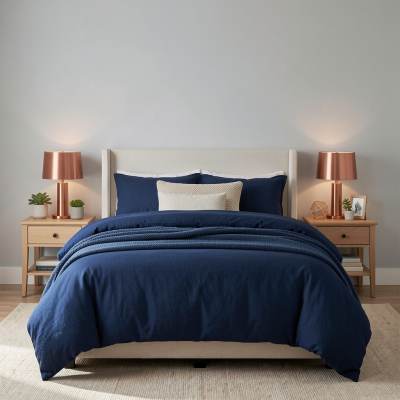
Good Beginnings Design Studio, the domain of home décor, color wields immense power in evoking emotions, setting the desired ambiance, and creating lasting impressions on homeowners and guests. A well-curated and thoughtfully balanced color palette can transform a house into a harmonious, functional, and visually appealing space, fostering a sense of well-being and comfort. Interior designers employ a myriad of design principles, and one of the most fundamental and universally applied is the 60-30-10 color rule.
Professional interior designers apply this rule in the course of creating value-added offerings in the form of luxury residential interior design, space planning services, living room interior styling, bedroom interior design, modular kitchen color coordination, wardrobe design solutions, wall panel design concepts, lighting design consultation, décor styling services, custom furniture design, premium material selection, flooring coordination, ceiling design concepts, balcony décor planning, bathroom design coordination, smart home integration, and turnkey interior execution services.
By delving into the intricacies of this rule and its application in residential spaces, homeowners can glean valuable insights on how to create interiors that are balanced, visually pleasing, and exude the charm of a professionally designed home.
What Is the 60-30-10 Color Rule?
Good Beginnings Design Studio. Interior designers frequently rely on the 60-30-10 color rule, which is a simple design principle used to create a color scheme for a room or space.
This design guideline states that a space should use three colors that complement each other, with 60% of the room featuring the dominant color, 30% the secondary color, and the remaining 10% an accent color. By following this rule, homeowners can create interiors that are visually appealing and well-balanced, without overwhelming the space with too many colors or visual elements.
Interior designers typically follow this simple formula to create space color aesthetics that are proportionate and eye-pleasing.
Also Read:- What is the 3-5-7 rule in interior design?
The 60% Dominant Color
As the name suggests, this color dominates the color palette of any room. It typically covers around 60% of the available surfaces and is considered the primary or base color for the space.
Elements that commonly make up the 60 percent portion include:
- Wall paint or wallpaper
- Large furniture pieces such as sofas or beds
- Curtains or large rugs
- Flooring materials, such as tiles or wooden floors
As most modern homes use neutral colors as the background or base shades, the most popular 60 percent dominant color options for any interior are neutral shades like white, beige, light grey, cream, or soft pastels.
Neutral tones are preferred by interior designers in the initial stages of planning interiors for living rooms, bedrooms, dining areas, or modular kitchens, as they help make spaces look brighter and more spacious. These hues also create a soothing backdrop for other design elements to stand out.
The 30% Secondary Color
The secondary color in the 60-30-10 color rule is used to support the primary or dominant color in a room. It typically covers 30% of the room’s surfaces, providing visual interest and contrast while complementing the base hue.
Interior designers use secondary colors to provide support and definition to the main color. In a room where the primary color is white, beige, or a light neutral, a secondary shade in a darker or contrasting hue, such as navy blue, warm brown, or muted green, can add dimension while still maintaining a cohesive look.
Common elements that make up the 30% portion of the color palette are:
- Accent furniture pieces, such as chairs
- Curtains or upholstery fabrics
- Headboards and bed frames
- Kitchen cabinets or wardrobes
- Decorative wall panels
Interior designers use this secondary or contrasting color to provide definition and define distinct zones in open-plan spaces such as living and dining areas.
The 10% Accent Color
The third color in the 60-30-10 rule is used sparingly as an accent or highlight. It covers only about 10% of the room’s surfaces, but it often has the most visual impact, drawing the eye to key design elements or focal points.
As it is a small percentage of the overall color scheme, the accent color can be a bolder or more vibrant hue without overwhelming the space.
Elements that commonly use the accent color include:
- Decorative cushions
- Artwork and wall décor
- Lamps and lighting fixtures
- Rugs and throws
- Decorative accessories
Accent colors are an important aspect of décor styling services, and professional interior designers use them to add visual interest and personality to the interior design.
Homeowners who choose accent colors in shades like mustard yellow, emerald green, burnt orange, deep blue, or metallic gold can create visually stunning spaces that stand out while still maintaining an overall sense of balance.

Application of the 60-30-10 Rule in Residential Spaces
Professional interior designers use the 60-30-10 rule as a foundational guideline while styling different rooms in a house. They achieve the right color balance and maintain visual harmony in different spaces by proportioning colors according to the formula. Let’s look at the application of this principle in different rooms of a house.
Living Room
Interior designers design this space by using a dominant color on the walls and sofa, a secondary color on curtains or armchairs, and accent colors on cushions, artwork, or decorative lighting.
Bedroom
Bedrooms often use calming tones like light blue, lavender, or soft green as the dominant color. The secondary color can be used on bedding or furniture, while accent colors can be added through cushions, throws, or decorative lamps.
Kitchen
In a modular kitchen, the dominant color is usually on cabinets or walls, with the secondary color used for countertops or backsplashes. Accent colors are then added through bar stools, lighting fixtures, or decorative elements.
Dining Area
Dining spaces often follow a similar color scheme as the living room, with a neutral palette accented with lighting fixtures or artwork to add visual interest.
Why Do Interior Designers Use the 60-30-10 Color Rule?
Interior designers follow this design principle for several reasons that are summed up as follows.
Visual Harmony and Balance
The 60-30-10 color rule helps designers maintain a sense of harmony and balance in a space. By proportioning the colors correctly, the interior will not appear too monotonous or chaotic.
Limits the Use of Colors
Limiting the color palette to three main hues prevents it from becoming overwhelming, which is especially important in small or compact spaces.
Ease of Coordination
Using the 60-30-10 rule makes it easy for interior designers to coordinate furniture, textiles, and other design elements without having to worry about clashing colors or mismatched pieces.
Versatility
This color rule is a flexible guideline that can be applied to both modern and classic interiors. It allows designers to experiment with different color combinations while still maintaining a cohesive look.
Adds Personal Style
The 60-30-10 rule provides a simple framework for adding personal style and flair to a room. Homeowners can choose their preferred color combinations and play around with different shades and tones within the three categories.
Interior designers combine the 60-30-10 rule with space planning, furniture layout design, lighting design consultation, material selection consulting, and custom furniture design to ensure that the entire interior feels cohesive and well-thought-out.
Interior designers at Good Beginnings Design Studio follow these rules in most of their design projects for modern apartments and luxury homes to create spaces that are both elegant and comfortable to live in.
Tips for Using the 60-30-10 Rule at Home
Homeowners who want to create a balanced color scheme at home can also use the 60-30-10 rule as a simple framework to plan the aesthetics of their interiors.
Some of the useful tips to keep in mind for applying this design principle include the following:
- Start with a neutral base color for walls and large furniture pieces.
- Choose a complementary secondary color that adds depth and dimension.
- Use bolder accent colors sparingly through décor accessories and textiles.
- Aim to maintain consistency across furniture, textiles, and other décor elements.
- Avoid introducing too many colors beyond the three main hues to maintain a sense of balance.
Combining these color rules with proper lighting design and thoughtful furniture placement can significantly enhance the overall effect.
The Importance of Hiring a Professional Interior Designer
Interior designers know how to adapt the 60-30-10 color rule based on room size, natural lighting, material finishes, and individual preferences.
They offer comprehensive services such as space planning, modular kitchen design, wardrobe customization, color palette planning, lighting design consultation, custom furniture design, décor styling, and turnkey interior execution to ensure every detail in the home is carefully considered and harmonized.
Homeowners looking for the perfect balance of color in their living spaces can turn to Good Beginnings Design Studio to create an ideal color scheme that both complements and enhances the aesthetics and functionality of their home.
Also Read:- Top 10 Luxury Residential Interior Designers in Mumbai
Conclusion
The 60-30-10 color rule is a simple yet effective design principle used by interior designers to create balanced, visually appealing color schemes in residential spaces. By dividing colors into dominant, secondary, and accent proportions, this rule ensures the interiors remain harmonious without limiting room for creativity.
The rule applies to all living spaces, including living rooms, bedrooms, kitchens, and dining areas, and helps maintain the ideal balance between consistency and contrast. The 60-30-10 color rule, combined with expert design planning and guidance, can transform any space into a stylish and elegant interior.
Homeowners can implement these design principles with the help of experienced design studios like Good Beginnings Design Studio and create beautiful homes that reflect their personal style and preferences.
FAQs
1. What is the 60-30-10 rule in interior design?
Ans: The 60-30-10 rule is a design principle that involves using three colors in a room, with 60% being the dominant color, 30% the secondary color, and 10% an accent color.
2. Why do interior designers use the 60-30-10 rule?
Ans: The rule helps maintain color balance in a room, ensuring that the design feels cohesive while still including contrast and visual interest.
3. Can the 60-30-10 rule be used in small apartments?
Ans: Yes, the 60-30-10 rule works especially well in small apartments as it keeps the color scheme organized and visually balanced.
4. What colors work best as dominant colors?
Ans: Neutral shades like white, beige, grey, and pastel tones are commonly used as dominant colors as they create a calm and spacious atmosphere.
5. How can an interior designer help with color planning?
Ans: Interior designers provide comprehensive services, including color palette planning, material selection consulting, lighting design, and décor styling services to create balanced and visually appealing interiors.

Shubhangi Singh has been the creative marketing consultant for several luxury brands, with more than 18 years of experience in curating meaningful campaigns for brands like Reliance Brands, Walking Tree, Malabar, Simone, D’décor, Jio Wonderland, Zoya Jewels, Per Te Jewels, Rustomjee, Farah Ali Khan, Puma, Benetton, Vogue Wedding Show, and Foodhall X Vogue Sensorium.