

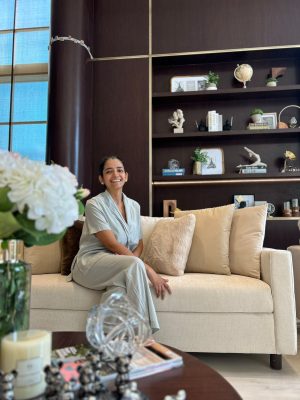
A well-designed home elevates appeal, creates an emotional connection with buyers, and adds significant value. But many builders and developers unknowingly commit interior design mistakes that downgrade the project, dilute brand perception, and undermine sales. From layout inefficiencies, poor material choices, ignoring buyer psychology, to low-impact model flats, such errors damage project value. Good Beginnings Design Studio partners with many builders, developers, and architects to address these gaps with interior design solutions that target improved sales velocity and ROI.
Here are the top mistakes builders make in the interior design of their projects and how to avoid them.
Treating Interior Design as an Afterthought
Builders who prioritise architecture and finishing over interiors are making a big mistake. Delaying interior design input to the final stages before handover or during sales after construction is complete limits the design potential, constrains layout efficiency, and weakens the sales impact. When building design and interiors are not planned together, it is impossible to account for electrical and mechanical services integration, balanced room proportions, optimal functional layouts, and harmonious aesthetics. By the time space planning, interior styling, and soft finishes are considered, builders forego significant opportunities to sell better with interiors as a key differentiator.
Incorporating interior designers and studios like Good Beginnings Design Studio from the beginning is a game-changing strategy for builders. Professional design input at the planning stage of a project allows for pre-emptive, integrated solutions instead of cosmetic, bolt-on finishes.
Also Read:- What is the 3-5-7 rule in interior design?
Neglecting Buyer Psychology and Target Audience
Designing based on personal taste or trend-following is a common but ineffective approach that leads to a disconnect with the target audience and buyer needs. Buyers who visit show flats can include luxury buyers, families, investors, rental-seekers, first-time homebuyers, and millennials. These categories all perceive space, furnishing, lighting, colour, and interiors differently. Interior design based on the personal preferences of decision-makers and built with a narrow, inside-out perspective rarely resonates well with buyers. Successful builders prioritise buyer psychology, targeted styling, and design-led sales strategies in their project interiors.
Not Hiring Interior Design Professionals or Stylists
Good design matters for projects and for long-term brand building, but many builders do not engage design professionals on their team. They rely on construction managers or electricians to ‘do the interiors’ as an extension of finish work. This limits creativity and results in generic layouts, styling, and material selection, underselling the project’s potential. Most project buyers are design-aware, follow interior design trends, and benchmark other developments before buying. It is critical for builders to keep up with or stay ahead of these buyers by elevating the overall design quotient with professional interior design studios.
Using Cheap or Generic Interior Design Elements
Builders may try to cut costs by using subpar materials, paint brands, light fixtures, laminates, and fittings for interiors. However, this is one of the easiest design mistakes to spot and turn off buyers. Thoughtless budgeting, where interiors are a last-minute checkbox instead of a holistic strategy, compromises sales. To improve price perceptions and sales impact while keeping margins intact, builders need to be smart about material selection, finishes, fittings, lighting, furnishing, and colour palette.
Leaving It All Up to the Buyers at Show Flats
Designing a blank show flat as a reference point for potential buyers to personalise interiors is a practice that needs to go. Empty spaces that lack furnishing, styling, lighting, and ambience run the risk of having buyers not visualise the real potential or using it to critique the scale, flooring, and finishes. This increases the sales cycle and lowers conversions.
Builders need to look at model flat design and styling as an investment and not an expense. Interior design that tells a story, creates aspirational value, and elevates the buying journey is a critical factor in differentiating projects. The studio works with builders and architects on show flat styling and interior design solutions that target improved sales velocity and ROI.
Focusing Solely on Cosmetics
Interior design aesthetics and cosmetics are important to buyers and stakeholders, but deeper planning is also critical. The way space is planned and integrated with mechanical and electrical services is what truly defines efficiency, quality, and price perception in home interiors. Builders and architects who ignore spatial planning or treat it as a secondary, more technical stage of the construction process are at a disadvantage. When building design and interiors are not planned together, it is impossible to account for electrical and mechanical services integration, balanced room proportions, optimal functional layouts, and harmonious aesthetics.
Lighting Design
Lighting is one of the most underutilised aspects of interior design by builders. Bright, even, and shadow-free lighting highlights every surface, gives life to spaces, and makes interiors feel luxurious. Builders that skimp on lights, install bulbs that are too small or weak, use insufficient lighting in living rooms and bedrooms, or omit accent or mood lights are losing out on an easy win.
Incorporating Acoustics into Interior Design
Noise, echoes, and lack of sound absorption are often overlooked when it comes to interior design. Builders that focus on the external and visible elements of the home miss these critical, but intangible, aspects of living spaces. The interior design of a home should address noise issues and acoustics to create the perception of a liveable, high-quality project.
Poor Space Planning and Layout
Builders that do not spend enough time considering space planning and layout efficiency make one of the most common interior design mistakes. Space planning is the cornerstone of good interior design, and poor layouts instantly downgrade the feel and value of a home. Builders who plan furniture size, circulation areas, room dimensions, and practicality into the building design before construction begins set themselves up for success.
Inconsistent or Weak Branding
Builders that do not have a clear or consistent interior design language across their projects dilute their brand perception in the market. The colour palettes, material palettes, lighting styles, and overall design philosophy all play a part in shaping how a brand is perceived. By establishing a consistent, distinctive style, builders and developers signal to buyers that they are professional, reliable, and have a long-term vision.
Ignoring Long-Term Maintenance
Builders who design with a short-term or cosmetic view without factoring in the maintenance aspect are making a strategic error. Easy to maintain, durable, long-lasting interiors and finishes are critical for customer satisfaction and brand retention. High-maintenance finishes and complex detailing will lead to increased buyer dissatisfaction after handover.
Also Read:- Top 10 Luxury Residential Interior Designers in Mumbai
Conclusion
Interior design mistakes can lead to significant opportunity costs and value loss for builders, developers, and architects. Successful builders understand that interiors are a strategic investment rather than an optional add-on or expense. With interior design playing such a key role in differentiating projects, elevating sales velocity, and securing market share, professional design expertise matters. Good Beginnings Design Studio is working with builders, developers, and architects to create better interiors for faster sales with a strong ROI.

Shubhangi Singh has been the creative marketing consultant for several luxury brands, with more than 18 years of experience in curating meaningful campaigns for brands like Reliance Brands, Walking Tree, Malabar, Simone, D’décor, Jio Wonderland, Zoya Jewels, Per Te Jewels, Rustomjee, Farah Ali Khan, Puma, Benetton, Vogue Wedding Show, and Foodhall X Vogue Sensorium.