

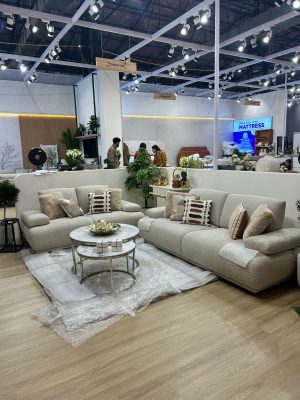
Understanding the Basics. In today’s retail world, customer buying behavior is shaped by powerful visual and sensory experiences as shoppers increasingly expect personalized and interactive brand journeys. But in a competitive market flooded with options, how can stores maximize their impact?
One of the most impactful ways retailers create a difference is through the process of visual merchandising, which, when done right, can drive traffic, conversion, and customer loyalty. By curating immersive physical spaces with compelling product displays, curated elements, and overall visual identity, stores can stand out, attract new customers, and increase profitability. A core member of any retail team, the visual merchandiser plays a decisive role in every aspect of this process.
Visual Merchandising: Turning Retail Spaces into Brand Experiences
A visual merchandiser is a professional specialized in retail design, visual storytelling, and brand building through the creative setup of stores, product displays, and display windows. Working with fashion, jewelry, home décor, lifestyle, and specialty brands, visual merchandisers use a mix of design aesthetics, color theory, market trends, and brand strategy to maximize customer engagement in-store.
Visual merchandisers typically work in-house, but many brands also hire premium styling agencies with expert, dedicated teams to take on short- and long-term merchandising projects for window styling, store setup, and display creation. Good Beginnings Design Studio is a premium brand styling studio known for premium styling, display creation, and brand-centric merchandising solutions for both physical and online retail.
In this blog, we dive deep into the role of a visual merchandiser, including their job description, key responsibilities, and why the right visual merchandising is a game-changer for modern retail.
Visual Merchandising – Who are Visual Merchandisers?
A visual merchandiser is a store or retail design professional skilled in product presentation, brand aesthetics, color theory, market trends, and spatial display. They work with a range of brands from luxury fashion and jewelry to home décor and lifestyle to create visually compelling displays, settings, and window installations to capture audience attention and drive sales.
Visual merchandisers blend their artistic sense and brand strategy with a commercial understanding of target audiences to design premium in-store experiences. By building a strong brand presence and product visibility, good visual merchandising also increases a store’s perceived value and can be used to upsell, cross-sell, and engage customers.
Also Read:-Summer Window Display Concepts That Sizzle
1. Product Displays
Product displays are what draw in customers and make a brand stand out. As such, the first key task of a visual merchandiser is creating eye-catching, store-level product displays with an engaging mix of focal points, tableaus, and compelling features. This includes the design of key hero displays as well as secondary placements and tableaus.
Elements such as color, scale, spacing, texturing, fixtures, lighting, styling, and product themes all contribute to the design of product displays. In their product display designs, merchandisers seek to visually accentuate important features and selling propositions of products while aligning with the brand’s messaging, look, and feel.
2. Window Displays
Window displays are the second most critical aspect of store design for a visual merchandiser. The look and feel of a store’s windows can often be what gets customers to cross the threshold in the first place.
Window displays must create customer intrigue to draw foot traffic while aligning with the overall brand story of the brand. This means keeping them fresh, seasonally updated, and strategically focused to communicate the current collections, themes, or featured promotions.
3. Store Layout
Product displays and window design also tie into a store’s overall interior design, ambiance, and visual identity. The physical layout of the store and its key components and features is one of a visual merchandiser’s key responsibilities.
This includes customer pathways, spatial design, and product and fixture placement to ensure optimal brand and product visibility, exposure, and a frictionless customer experience.
A visual merchandiser may also design or source and style special branded fixtures and décor elements to further enhance the store and brand presence.
4. Brand Guidelines
Brand consistency is critical for building trust, recall, and sales over time. Visual merchandisers must use their brand experience and visual insights to ensure all aspects of their store design and displays, including key aspects such as color, font, styling, displays, materials, product signage, and visual identity, are aligned and uniform.
5. Seasonal Themes
Stores often refresh their designs with seasonal changes, promotions, product launches, or campaigns. Visual merchandisers typically lead all design aspects of seasonal themes, including store design, product displays, window installations, and merchandise support.
6. Team Support
The store manager, marketing teams, and sales teams may all also have input in store design and visual merchandising support. As such, visual merchandisers often collaborate with these teams to ensure a coherent and seamless brand experience is delivered to shoppers.
7. Market Research
Staying ahead of the market and understanding customer trends, preferences, and expectations is another key responsibility of a visual merchandiser. This requires ongoing market research into design, color, lifestyle, retail, and fashion trends to keep their creative work and store experiences fresh and aligned with consumer preferences.
8. Customer Experience
Customers today demand seamless brand and product experiences at every touchpoint, online and offline. A visual merchandiser must have a customer-first approach when designing their in-store offerings.
Store design, window displays, and product tableaus must engage all the customers’ senses, including vision, hearing, feel, and even smell, to create lasting sensory brand experiences.
9. Sales Support
Last but not least, a core purpose of store visual merchandising is supporting and driving sales. This means the design of displays and store elements should help support sales targets, conversion goals, and revenue expectations.
A strong visual merchandiser uses data to understand high-value product SKUs and to design tableaus and spaces to push brand products and encourage buying.
Skills Required to Be a Visual Merchandiser
Visual merchandising is a highly visual and tactile process that combines design, branding, and storytelling. A visual merchandiser must bring key skills, including design sense, an understanding of color theory, customer psychology and behavior, and a creative and data-informed approach to their work.
A successful visual merchandiser also has industry knowledge, the ability to collaborate across teams, and meet strict deadlines.
Why Does Retail Need Visual Merchandisers?
Retail brand presence, sales, engagement, conversion, and overall perceived value of the customer journey are all impacted by store design and visual merchandising support.
A store that effectively uses visual merchandising is more likely to stand out from competitors and attract and engage with new customers. In today’s market, effective visual merchandising is key to retail growth and customer engagement.
Why Work with a Good Beginnings Design Studio?
Professional visual merchandising and brand styling studios such as Good Beginnings Design Studio offer brands access to expert, experienced, and highly creative talent. With a data-driven, consumer-focused, and methodical approach, GBDS offers end-to-end visual merchandising support for all product displays, store design, and window styling needs.
Specializing in premium brands, Good Beginnings Design Studio is known for its retail styling, display creation, and brand experience building services for jewelry, fashion, home décor, and lifestyle brands.
Also Read:-30+ Stunning Seasonal Window Display Ideas to Boost Foot Traffic
FAQs
1. Who are Visual Merchandisers?
Ans:- Visual merchandisers are store design professionals skilled in product displays, brand aesthetics, and retail design and storytelling.
2. What does a visual merchandiser do?
Ans:-Visual merchandisers work with retail brands to create visually compelling and brand-aligned in-store displays, store and window designs, store layouts, and theme supports to attract customers and increase sales.
3. How important is visual merchandising in retail?
Ans:-Visual merchandising and store design are critical in retail as they directly impact customer perception, engagement, and conversion.
4. How often should visual merchandising displays be updated?
Ans:-Visual merchandising displays and tableaus should be updated based on the product life cycles. This can be seasonal, or for new collections, special promotions, festivals, or product launches.
5. Can visual merchandisers work outside of fashion?
Ans:-Visual merchandisers work across all types of retail, including fashion, jewelry, home décor, luxury, and lifestyle brands, and more. If you want to work with the Best Visual Merchandiser, contact us to understand our complete range of services, pricing options, and other details, or request a free customized demo with one of our experts.

Shubhangi Singh has been the creative marketing consultant for several luxury brands, with more than 18 years of experience in curating meaningful campaigns for brands like Reliance Brands, Walking Tree, Malabar, Simone, D’décor, Jio Wonderland, Zoya Jewels, Per Te Jewels, Rustomjee, Farah Ali Khan, Puma, Benetton, Vogue Wedding Show, and Foodhall X Vogue Sensorium.